You might shudder when you hear the word “debt.” But if you’re a business owner, chances are you know that debt is often necessary, and it doesn’t have to be a bad thing. Taking out a business loan is a common and useful tool for funding a business, especially in its early stages.
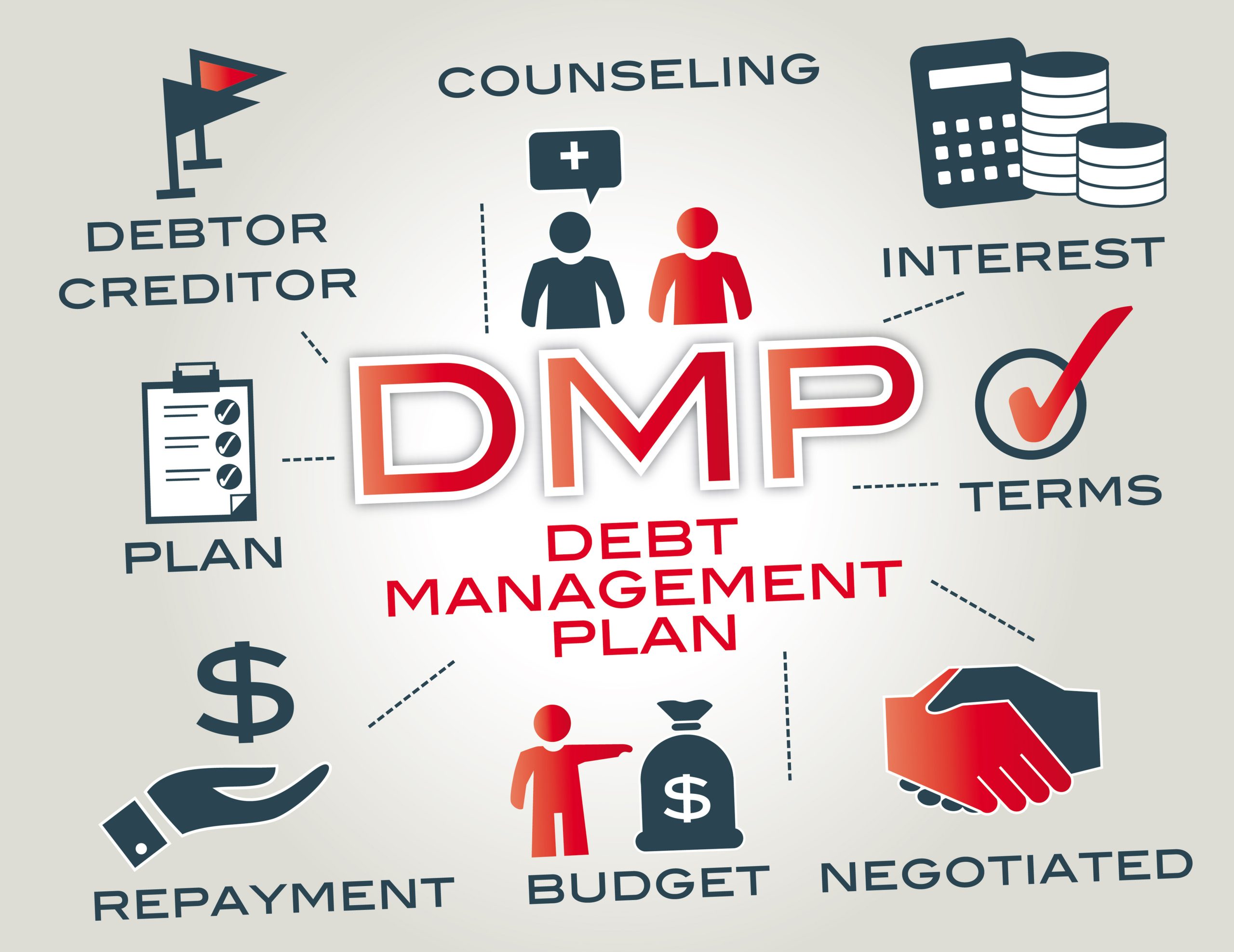
The trick is managing business debt wisely so that it never grows out of control or otherwise hinders your operations. This blog post will explore contexts and strategies of debt management for business owners.
How Do Businesses Accumulate Debt?
Before we examine how to manage debt, we need to understand how and why businesses accumulate debt in the first place. As a business owner, you may use debt financing for a variety of purposes. You may need a loan to cover startup costs. You may need to borrow money to help with everyday business needs, known as “working capital.”
Some business owners use loans to purchase expensive equipment, inventory, or real estate. Paying these costs upfront can be tough for small businesses, but financing them over time makes them easier to handle.
You can get a business loan from a bank, credit union, the U.S. Small Business Administration (SBA), or online and alternative lenders.
Short-Term vs. Long-Term Debt
Short-term debt typically comes due within a year. This debit tends to put more immediate pressure on businesses to generate cash flow. For businesses, that includes lines of credit, short-term loans, and outstanding vendor balances.
Long-term debt spreads over several years, and businesses may find it’s easier to plan around. Such business debts may include debt from equipment financing and commercial mortgages. However, while long-term obligations may be more predictable, they can still affect financial strategies and limit future borrowing.
Good Debt vs. Risky Debt in Practice
Not all debt carries the same weight. What some might consider good weight tends to support growth and generates revenue. Financed equipment may improve efficiency or expand production capacity, for example
Risky debt, on the other hand, might come with higher interest rates and few financial returns. Consider the weight of credit cards on finances. Credit cards aren’t all bad, of course. But it can be risky to heavily rely on credit cards for operating expenses or cash flow gaps. These costs compound quickly and complicate your financial stability.
Business Debt Management Strategies
The first step in managing debt is reviewing all your sources of debt and keeping tabs on them. Make notes of all loans, overdrafts, credit cards, employee wages and benefits, and any other costs that could create debt. Small business accounting software is a great way to keep track of all your company’s assets and liabilities.
Once you have a clear picture of your obligations, the next step in business debt management is choosing the best repayment strategy.
Avalanche Strategy
One popular method is called the “avalanche” strategy. This strategy suggests paying off those debts with the highest interest rates first. You would thus make large payments on these debts while making minimum payments on debts with lower interest. Eliminating these costly debts early will more quickly reduce your regular payments.
However, these debts will usually take longer to pay off. That’s why some people prefer a different method, which we will cover next.
Snowball Strategy
The “snowball” strategy encourages you to prioritize your smaller debts first. For this strategy, you would make the largest possible payments to your smallest debt while making minimum payments to all others.
Once that debt is paid off, you take the amount you were paying toward it each month and apply it to your next smallest balance. You then repeat this process, letting your largest payment “snowball” each month, until you are debt free.
Refinancing and Restructuring
For businesses with heavier debts, refinancing and restructuring can help avoid bankruptcy.
Refinancing entails negotiating a new, more favorable credit agreement. This is commonly used to obtain lower interest rates, consolidate several debts into one, or seek a more lenient payment schedule. People often refinance when interest rates drop, leading to lower rates that were not possible in a previous agreement. Refinancing also benefits your credit score, while restructuring can harm it.
Restructuring has similar goals, but it involves altering an already existing contract rather than creating a new one. The idea is to negotiate a situation that is mutually beneficial for the borrower and creditor. A restructure also avoids bankruptcy, which neither party wants. A restructured agreement might lower interest rates and extend payment due dates.
Which Is Best for a Business?
The right approach to alleviating debt pressures will depend on the business’s current financial position. If your business is still relatively stable, refinancing can work wonders. If, however, repayment in general is becoming a burden, restructuring may be the right course. Both refinancing and restructuring should be considered carefully or you risk serious long-term effects.
Contact Barton, Walter & Krier
Managing debts on top of running your business can be challenging, but you’re not alone. The certified public accountants at BWK are experts in evaluating business situations and executing efficient strategies. Our aim is to keep companies as profitable as possible. If you have questions about debt management for business owners, budgeting, taxes, or other financial topics, contact us today!